
In order to develop industrial hemp, South Korea set up a free zone and invested 39 billion won to develop hemp CBD medicine!
On June 15, according to The Korea Bizwire, The Korea Institute of Science and Technology (KIST) announced that South Korea's first medical marijuana will be used to develop a drug to treat epilepsy in children.
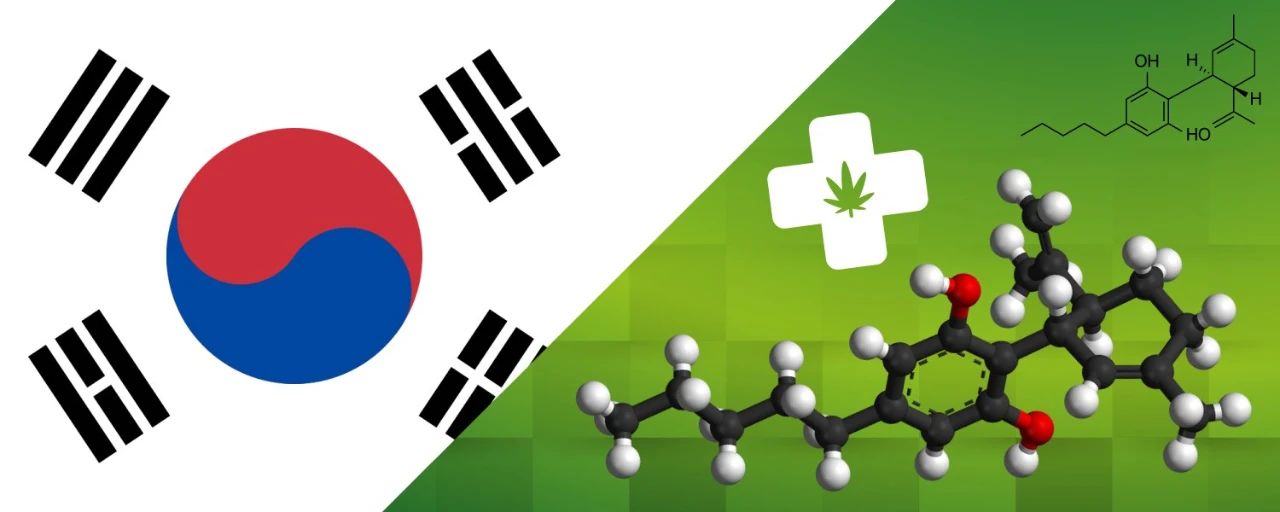
KIST, one of the leading institutions spearheading the revival and development of science and technology in South Korea, will use industrial hemp to develop new treatments for epilepsy. Cannabis can be divided into recreational marijuana and industrial hemp. CBD is the main substance in industrial hemp, which is widely used in Europe and the United States to treat epilepsy and other rare diseases in children.
KIST is currently working on a project with Kolmar Korea, Yuhan Care and other pharmaceutical companies in the industrial hemp duty-free zone, reportedly investing 39 billion won ($34.9 million) over the next four years to support KIST in developing treatments for epilepsy. Currently, many CBD-based drugs used to treat epilepsy in children are foreign-made.
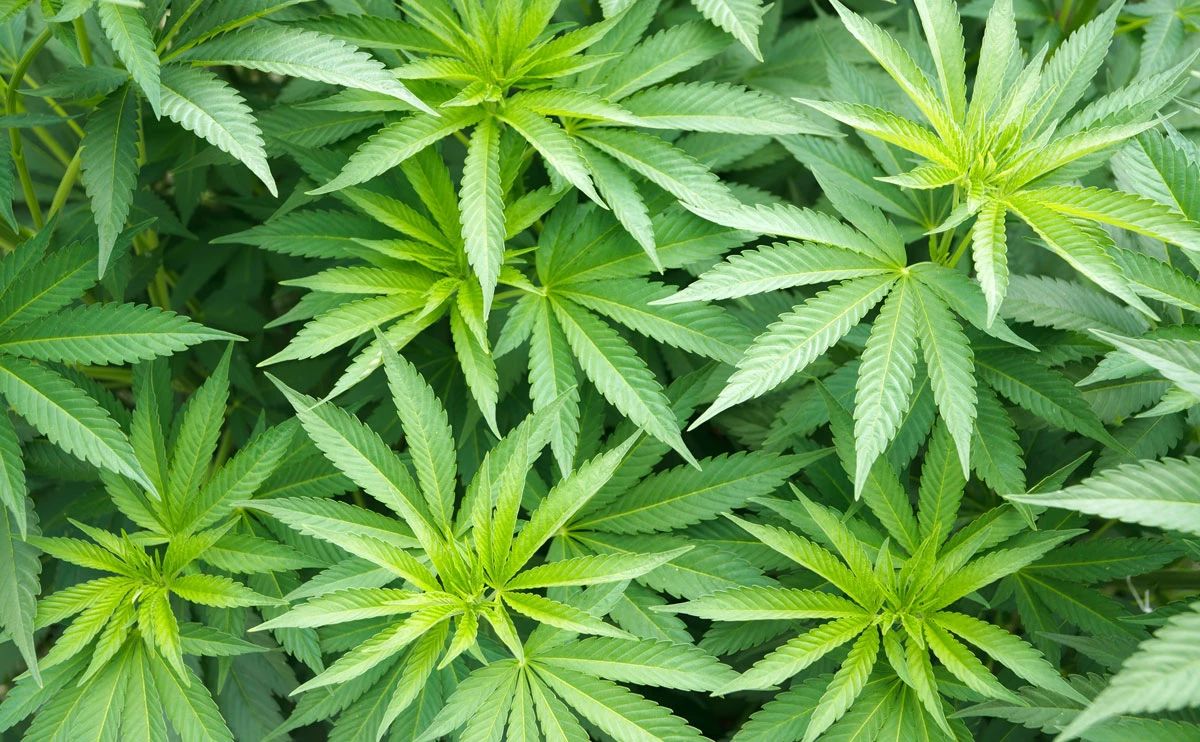
In addition, KIST will work with nine universities, companies and institutions, including Gangwon National University, Nongshim and Huons, to develop CBD rich industrial hemp in Korea, explore new applications and develop high value-added products.
In November 2018, South Korea became the first country in East Asia to legalize medical marijuana after the National Assembly amended the Narcotics Control Law to legalize it. The act goes into effect on March 12, 2019. The new law requires the approval of the Secretary of Food and Drug Safety to permit the import, export, manufacture, transportation, sale or consumption of marijuana for medical purposes.
The legalization of medical marijuana in South Korea has left the market tightly controlled, limiting its use to conditions such as epilepsy and HIV/AIDS, and the only cannabis drugs that can be imported from Europe and the US include Sativex, Epidiolex, Marinol(Dronabinol) and Canemes (Nabilone).
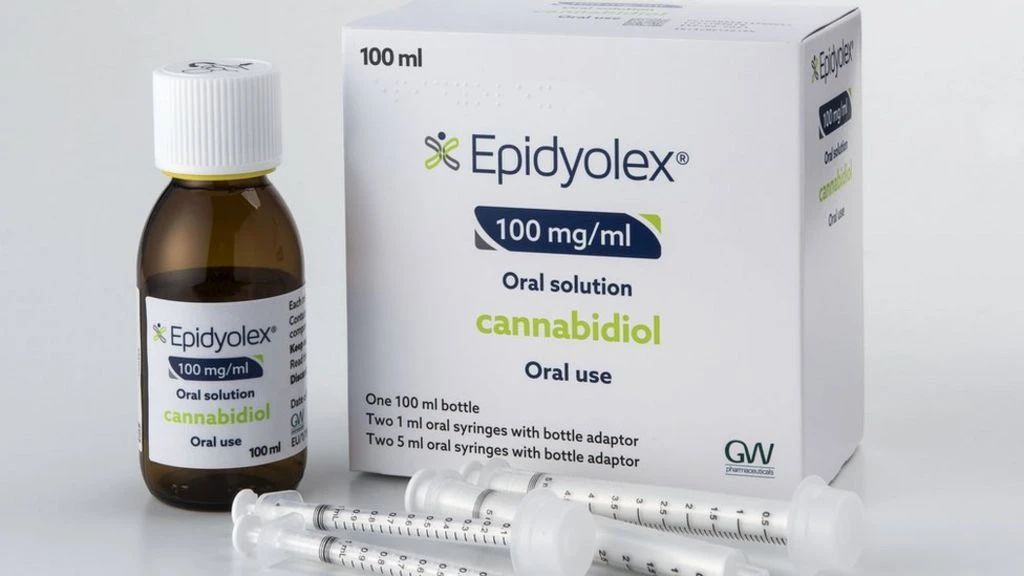
After receiving a doctor's prescription, patients need to apply online to the Korea Center for Orphans and Essential Medicine (KOEDC). The Ministry of Food and Drug Safety then approves the prescription based on the disease condition, and the KOEDC finally distributes the medicine.
Since the legalization of medical marijuana, Medical marijuana products such as CBD oil have been imported in South Korea.
Cannabis plants can be divided into recreational cannabis (THC > 0.5%), intermediate cannabis (0.3% < THC < 0.5%) and industrial cannabis (THC < 0.3%) according to the content of the hallucinogenic and addictive ingredient THC in cannabis plants. Only industrial hemp is allowed in South Korea, and its use is limited to hemp fibers and seeds.
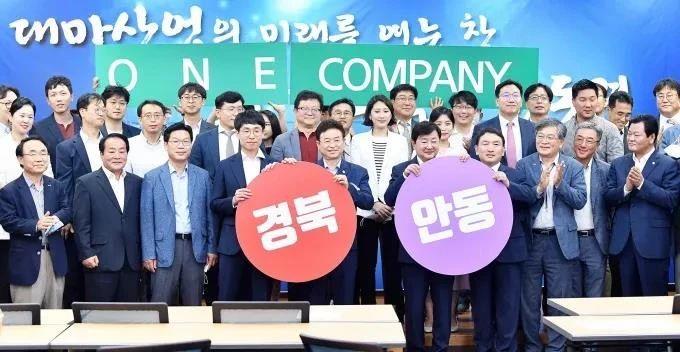
In July last year, South Korea approved North Gyeongsang Province as an "industrial hemp free zone" where medical cannabinoids can be extracted from industrial hemp, creating a high value-added market for high-end biomaterials.
Although the THC content of industrial hemp is low, for safety reasons, the "North Gyeongsang Special Zone" has established a cannabis management system based on blockchain technology to comprehensively track the source and destination of cannabinoids and prevent accidental leakage of THC components.